

I’ve been told I’m extremely empathetic. Depending on the day, that feels like either a gift or a liability.
Empathy is the ability to understand or feel what someone else is going through from their point of view. It means stepping into their emotional space and seeing things through their eyes. We often link it to compassion or sympathy, but those aren’t the same. Compassion pushes us to help someone in need. Sympathy is more about care and concern. Empathy goes deeper. It immerses.
Psychologist Daniel Goleman and emotions expert Paul Ekman break empathy into three types:
Cognitive, Emotional, and Compassionate.
Cognitive empathy helps you understand what someone might be feeling or thinking. It improves communication but doesn’t always connect to the emotional weight behind the words.
Emotional empathy is the gut-level kind. You don’t just get what they’re feeling, you feel it with them.
Compassionate empathy adds the urge to take action. You feel it, and you want to do something about it.
So what happens when you operate with all three, all the time?
You start enabling.
Alfred Adler put it this way:
“Seeing with the eyes of another, listening with the ears of another, and feeling with the heart of another.”
It’s a powerful way to live, but if you’re not careful, it can become a pattern that slowly erases your own voice.
I started looking back at past relationships and saw it clearly. I believed that if I showed up with patience, compassion, and consistent empathy, the other person would meet me there. They didn’t. Not because they were incapable, but because I was never clear on how I wanted to be treated. I ignored my inner no and kept saying yes out of obligation. Even when it hurt. Even when it meant disregarding myself.
I told myself, “I just need more patience. More empathy. They’ll change.”
What I really needed was to reconnect with my own emotions and stop using empathy as an excuse to avoid boundaries.
When your focus is on making the other person feel good, and that dynamic is one-sided, you start believing that your wellbeing depends on theirs. That’s not empathy. That’s self-abandonment.
Then it hit me.
People who lack self-compassion often find themselves in unhealthy relationship patterns. Anis Qizilbash said:
““How you treat yourself reflects how you let others treat you. If you’re unkind to yourself, you create a standard for how much abuse you accept from others and as a result end up attracting abusive and disrespectful relationships.”
I didn’t think I was in abusive relationships. But maybe I just wasn’t calling them what they were. When I lead with empathy, I connect to someone else’s emotions, needs, and fears. I pour myself into their world. But I don’t speak up about what I need. I stay silent about how their behaviour affects me.
And that silence becomes its own pattern.
RuPaul once said:
“If you can’t love yourself, how in the hell you gonna love somebody else?”
Exactly.
Because when I shield someone from the truth about how they’re impacting me, I rob them of the opportunity to grow. I use empathy as a buffer to avoid conflict, to keep the peace, to bypass uncomfortable conversations.
That’s not kindness. That’s fear pretending to be grace.
Some signs that empathy might be turning into enabling:
You constantly put your own needs aside to care for someone else
You feel resentment building but keep quiet
You explain away or soften someone else’s harmful behaviour
You spend your energy trying to “help” them while ignoring your own exhaustion
You blame yourself to avoid confronting them directly
For me, that deep empathy became automatic when my mother was diagnosed with Alzheimer’s in 2000. She couldn’t communicate her needs. Empathy had to be one-sided. There was no other option. But what was once survival became my default everywhere.
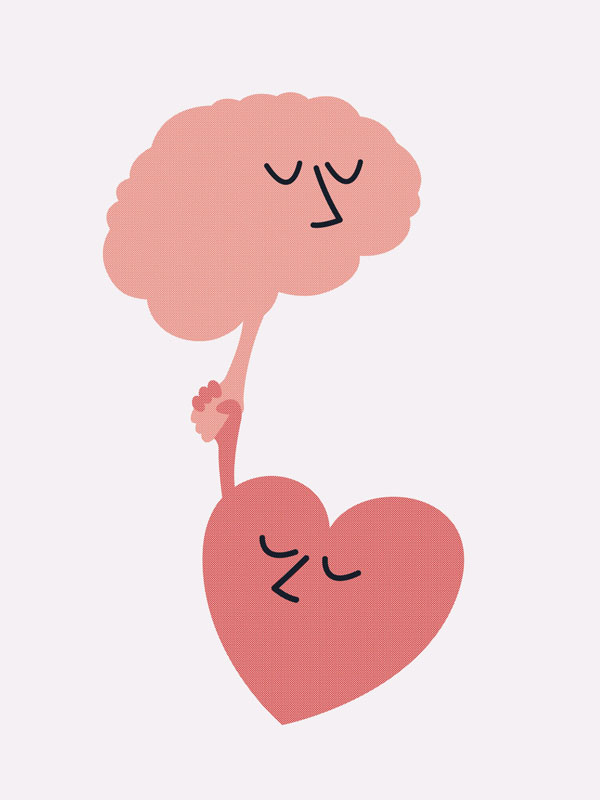
Now I’m learning what self-empathy actually looks like.
“To teach people how to treat you, you do not begin with them, you begin with yourself,” — Wiseheart.
How you treat yourself sets the standard for what you accept. People respond to what you tolerate.
Meaningful relationships are built on mutual care and respect. They help us expand, reflect, and grow into our most grounded selves. I’m learning that I’m allowed to ask for what I want.
That my needs matter.
My voice matters.
My dreams matter.
The right relationships make space for both people to be present. And they encourage each other to grow into their fullest strength.
References
Eramus, Y, (2014) Is it Empathy or enabling. https://medium.com/@yvetteerasmus/is-it-empathy-or-enabling-fb625b477448
 Caronleid
This is a very important topic. Many people have not been taught to love themselves, The emphasis was always on the “neighbour.” We now have to deal with narcissists who know how to manipulate others to get the attention they need. Fortunately, we have a psychological movement that is putting self love in the broad context of life, and religion has to pay attention. So we live and learn and hope for the best. Thanks for writing.
LikeLiked by 1 person
Thank you for your honesty.❤️
You are suffering from what is called co-dependency.
Try read the book co-dependency no more, by Melody Beattie.
This book will change your life.
I have it on audiobook, and I will put a link for you, so you can download it.
Remember to make the exicieces after each chapter, that is very important.
This link I share with you, in there you will find the book in audio form and as a E-BOOK. And I have written all the exicieces down for you so they are easier to make.
Feel free to share this book with others.
https://drive.google.com/folderview?id=1k5jGjA_FST2MJoX7nkvBSf0mLdH_wHas
Love and blessings from me ❤️
Jean Riget ❤️ From Denmark. The Mystic.❤️
LikeLike
I primarily work with freshman in high school and see young women grappling with setting boundaries. Thank you for your work and for the 5 questions you posed. They are very helpful!
LikeLike
Thank you!!!! Much appreciated!!!
LikeLike