

Alzheimer’s disease affects approximately 6.7 million adults aged 65 and older in the United States alone, according to the Alzheimer’s Association. With the approval of Leqembi, there is renewed hope for patients and their families in the battle against this devastating illness.
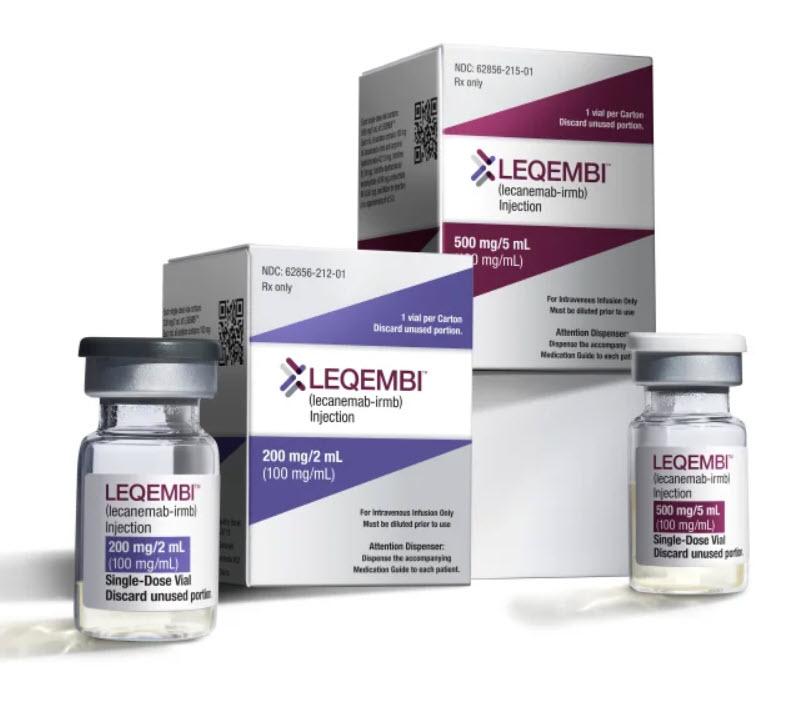
Developed by Japanese drugmaker Eisai in collaboration with Biogen, Leqembi focuses on combating a specific protein called beta-amyloid in the brain. Beta-amyloid has long been believed by scientists to be one of the underlying causes of Alzheimer’s disease. By targeting this protein, Leqembi seeks to slow down the disease’s progression and potentially provide patients with more time to maintain their independence and engage in activities they love.
The approval of Leqembi is a significant step forward in the field of Alzheimer’s treatment. Previous drugs in this class solely addressed symptom management, offering temporary relief without directly targeting the disease itself. Leqembi’s ability to slow the progression of Alzheimer’s sets it apart from its predecessors, providing a new avenue for managing the illness and potentially improving the quality of life for patients.
In a phase 3 clinical trial involving 1,795 patients with mild cognitive impairment or early-stage Alzheimer’s disease, Leqembi demonstrated a 27% reduction in the progression of the illness over an 18-month period. This statistical evidence showcases the drug’s potential effectiveness in delaying the cognitive decline associated with Alzheimer’s, offering hope to patients and their caregivers.
Despite the approval, there are concerns surrounding Leqembi. Some experts have questioned the noticeable impact of a 27% reduction in disease progression, suggesting it may not be significant enough for patients. Additionally, potential side effects such as brain swelling and hemorrhage have raised safety concerns. The FDA has taken these risks into account and has included a boxed warning—the most stringent label—highlighting these specific side effects. The agency recommends genetic testing before starting the drug to assess an individual’s susceptibility to these risks.
Another crucial aspect to consider is the accessibility of Leqembi. The drug has been approved for individuals with mild cognitive impairment or early-stage Alzheimer’s. It requires intravenous administration every two weeks, necessitating visits to hospitals or clinics for infusion. Periodic brain scans and data collection are also recommended to monitor any side effects.
However, the cost of Leqembi remains a point of contention. With a list price of $26,500 per year, affordability becomes a significant concern for patients, even with Medicare coverage. While Medicare will cover 80% of the cost after the deductible is met, the remaining 20% still poses a financial burden for individuals and their families.
Leqembi’s approval draws comparisons to Biogen’s Aduhelm, another Alzheimer’s drug that received accelerated approval in 2021. Aduhelm faced criticism due to the lack of evidence regarding its efficacy, leading to an investigation into the FDA’s decision-making process. The cost of Aduhelm also sparked concerns about its impact on Medicare premiums.
As the field of Alzheimer’s research progresses, the focus shifts towards finding a balance between efficacy, safety, cost, and accessibility. While the approval of Leqembi is a significant achievement, ongoing efforts are necessary to ensure that patients receive the best possible care and treatment, ultimately improving the lives of those affected by this debilitating disease.
In a landmark decision, the Food and Drug Administration (FDA) has granted full approval to the Alzheimer’s drug Leqembi, becoming the first drug of its kind to receive such regulatory clearance. While other approved drugs only target the symptoms of Alzheimer’s, Leqembi aims to slow the progression of the disease itself, marking a significant advancement in treatment options.
Alzheimer’s disease affects approximately 6.7 million adults aged 65 and older in the United States alone, according to the Alzheimer’s Association. With the approval of Leqembi, there is renewed hope for patients and their families in the battle against this devastating illness.
Developed by Japanese drugmaker Eisai in collaboration with Biogen, Leqembi focuses on combating a specific protein called beta-amyloid in the brain. Beta-amyloid has long been believed by scientists to be one of the underlying causes of Alzheimer’s disease. By targeting this protein, Leqembi seeks to slow down the disease’s progression and potentially provide patients with more time to maintain their independence and engage in activities they love.
The approval of Leqembi is a significant step forward in the field of Alzheimer’s treatment. Previous drugs in this class solely addressed symptom management, offering temporary relief without directly targeting the disease itself. Leqembi’s ability to slow the progression of Alzheimer’s sets it apart from its predecessors, providing a new avenue for managing the illness and potentially improving the quality of life for patients.
In a phase 3 clinical trial involving 1,795 patients with mild cognitive impairment or early-stage Alzheimer’s disease, Leqembi demonstrated a 27% reduction in the progression of the illness over an 18-month period. This statistical evidence showcases the drug’s potential effectiveness in delaying the cognitive decline associated with Alzheimer’s, offering hope to patients and their caregivers.
Despite the approval, there are concerns surrounding Leqembi. Some experts have questioned the noticeable impact of a 27% reduction in disease progression, suggesting it may not be significant enough for patients. Additionally, potential side effects such as brain swelling and hemorrhage have raised safety concerns. The FDA has taken these risks into account and has included a boxed warning—the most stringent label—highlighting these specific side effects. The agency recommends genetic testing before starting the drug to assess an individual’s susceptibility to these risks.
Another crucial aspect to consider is the accessibility of Leqembi. The drug has been approved for individuals with mild cognitive impairment or early-stage Alzheimer’s. It requires intravenous administration every two weeks, necessitating visits to hospitals or clinics for infusion. Periodic brain scans and data collection are also recommended to monitor any side effects.
However, the cost of Leqembi remains a point of contention. With a list price of $26,500 per year, affordability becomes a significant concern for patients, even with Medicare coverage. While Medicare will cover 80% of the cost after the deductible is met, the remaining 20% still poses a financial burden for individuals and their families.
Leqembi’s approval draws comparisons to Biogen’s Aduhelm, another Alzheimer’s drug that received accelerated approval in 2021. Aduhelm faced criticism due to the lack of evidence regarding its efficacy, leading to an investigation into the FDA’s decision-making process. The cost of Aduhelm also sparked concerns about its impact on Medicare premiums.
As the field of Alzheimer’s research progresses, the focus shifts towards finding a balance between efficacy, safety, cost, and accessibility. While the approval of Leqembi is a significant achievement, ongoing efforts are necessary to ensure that patients receive the best possible care and treatment, ultimately improving the lives of those affected by this debilitating disease.
 Caronleid