
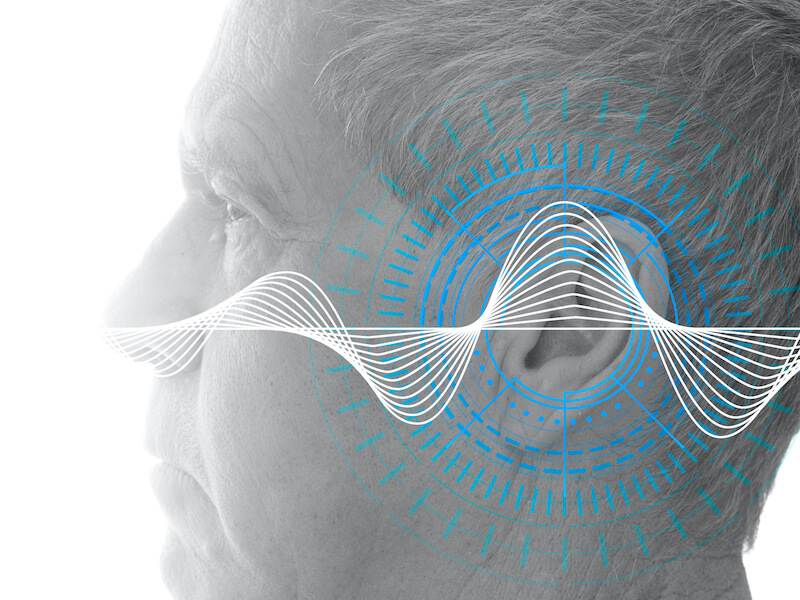
We talk a lot about brain health as we get older. People mention puzzles, supplements, exercise, and staying mentally active, but one area that rarely gets the same attention is hearing. Most people still think of hearing loss as a normal part of aging, something you deal with later when it becomes too hard to ignore. But research over the past few years has been showing that untreated hearing loss may be doing much more than making it difficult to hear. It may actually be affecting how the brain functions and ages.
Scientists have known for a long time that there is a link between hearing loss and dementia. The question has always been whether hearing loss directly contributes to cognitive decline or whether both happen together because of other brain changes. A recent study led by Dr. Frank Lin at Johns Hopkins University offers strong evidence that treating hearing loss may actually slow down the process of cognitive decline.
Dr. Lin and his team, with funding from the National Institutes of Health, followed close to 1,000 adults between the ages of 70 and 84 over three years. Half of them received hearing aids along with proper instruction on how to use them. The other half participated in a health education program about aging well, which focused on nutrition, exercise, and general wellness. Each participant completed yearly cognitive tests that measured memory, focus, and other mental skills.
At first, there didn’t seem to be a major difference between the two groups. But when the researchers looked at those who were already at higher risk for dementia, the results stood out. Participants who used hearing aids experienced about 50 percent less cognitive decline than those who did not.
That is an important finding. It means that for people who are already at risk, something as simple as using hearing aids may help preserve how the brain works. It is not only about hearing better. It may also protect how we think, remember, and stay connected.
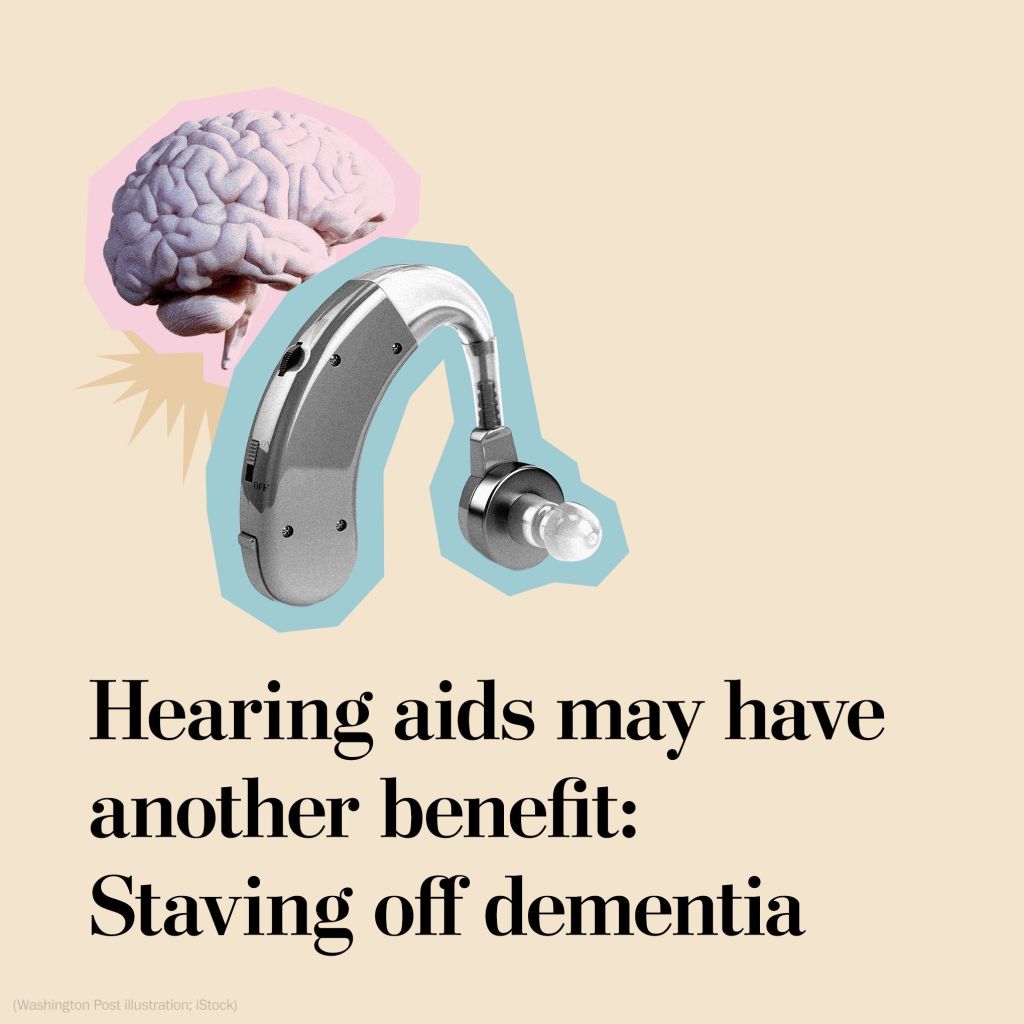
Dr. Lin described hearing loss as a treatable condition in later life and called it a key factor in reducing dementia risk. His team is continuing to follow the participants, studying brain scans and social engagement patterns to understand how hearing protection affects long-term cognitive health. One theory is that when hearing is improved, the brain does not have to work as hard to process sound, which frees up energy for memory and thinking. Another theory is that people who hear well stay more socially engaged, which helps maintain brain health.
From my experience in caregiving and counseling, this research feels deeply familiar. I have watched how hearing loss changes people’s relationships long before a dementia diagnosis ever appears. Someone begins to avoid conversation. They stop going out to restaurants or social events because it feels tiring to keep asking people to repeat themselves. Slowly, they withdraw. It can look like choice, but often it is mental exhaustion. When communication fades, so does connection, and over time that isolation starts to affect mood, memory, and overall well-being.
Families often tell me they did not realize how much strain hearing issues were placing on their relationship until things improved. Once hearing aids were introduced, communication became easier, tension eased, and the person became more engaged again. It is not just about sound. It is about staying part of life.
The Johns Hopkins study is one of the clearest examples of how prevention does not always come from medication or complex intervention. Sometimes it starts with something simple, like paying attention to the senses that help us stay connected to the world. Hearing loss may seem like a small inconvenience, but over time it can shape the way we think, feel, and age.
If you notice someone in your family turning up the television, asking “what?” more often, or avoiding social gatherings, take that as a sign to act. A hearing test is straightforward, and hearing aids have advanced significantly. Modern designs are smaller, more comfortable, and more discreet than most people expect.
The study, titled “Hearing Intervention Versus Health Education Control to Reduce Cognitive Decline in Older Adults with Hearing Loss in the USA (ACHIEVE)” by Lin FR and colleagues, was published in The Lancet in July 2023. It confirms what many of us who work with aging adults already know: hearing connects us to memory, and memory connects us to life.
Taking care of your hearing is not just about clearer sound. It is about protecting your mind, your relationships, and your sense of belonging. Those are the things that make life worth living.
 Caronleid