
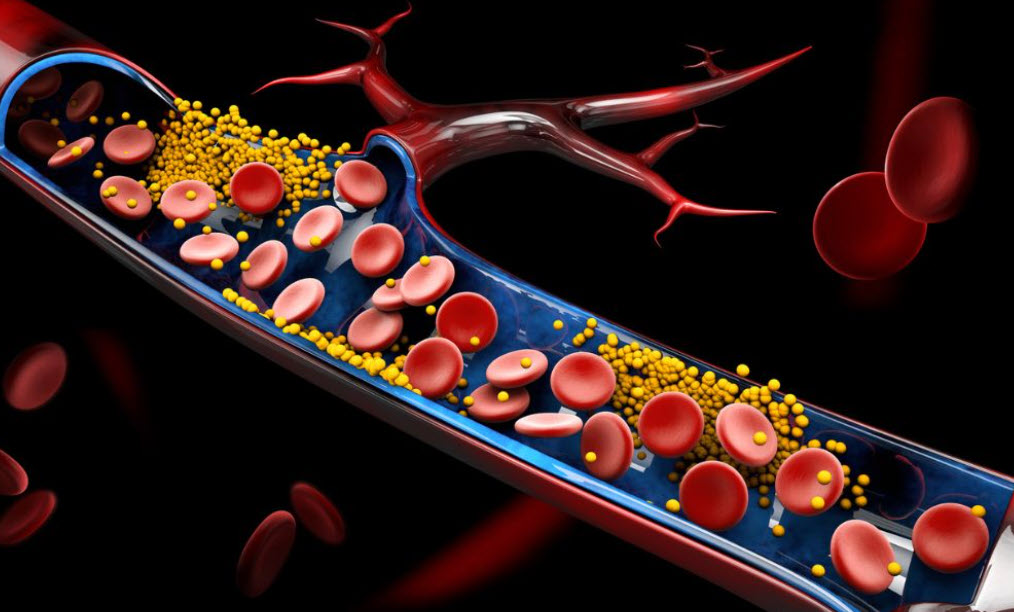
For years, we’ve heard that high triglycerides are bad news. They’re tied to heart disease, stroke risk, and metabolic complications. But a recent study is challenging part of that narrative. According to researchers, older adults with higher triglyceride levels may experience slower cognitive decline than those with lower levels.
This wasn’t what they expected. But the findings are worth paying attention to.
What the study found
The study, published in the journal Neurology, tracked over 18,000 adults with an average age of 75. None had dementia at the start. Researchers followed them over 6 and 12 years while tracking their cholesterol and triglyceride levels.
The results? People with the highest triglyceride levels had a 36 percent lower risk of developing dementia compared to those with the lowest levels. This association held even after adjusting for variables like age, education, and health conditions.
That doesn’t mean triglycerides are protective. It means there may be more to the story, especially in older adults.
A quick refresher: what are triglycerides?
Triglycerides are fats found in your blood. Your body creates them from food, especially when you consume more calories than you need. The excess energy is stored in fat cells for later use.
Here’s how levels are generally categorized:
Normal: less than 150 mg/dL
Borderline high: 150 to 199 mg/dL
High: 200 to 499 mg/dL
Very high: 500 mg/dL or more
Higher levels can raise your risk for heart disease and other serious conditions, particularly when combined with obesity, insulin resistance, or chronic inflammation.
What causes elevated triglycerides?
Several factors can push your triglycerides higher:
A diet high in sugars, processed carbs, and unhealthy fats
Obesity or carrying excess abdominal weight
Lack of exercise
Uncontrolled diabetes
Thyroid or kidney conditions
Some medications like steroids, diuretics, or hormone therapy
Genetics, including familial hypertriglyceridemia
So how does this connect to dementia?
That’s still unclear. Dr. Zhen Zhou, a researcher from Monash University and one of the study’s authors, noted that triglyceride levels in older adults are influenced by more than just diet. They can reflect nutritional status, inflammation, disease progression, or other age-related changes. In some cases, higher levels may simply signal better energy stores or a stronger physiological reserve.
Zhou made it clear that triglycerides should not be used as a screening tool for dementia risk. But this study raises important questions about how brain health and metabolic health intersect later in life.
Should you try to raise your triglycerides?
No. This study found an association, not a cause. It does not mean high triglycerides are good or that people should aim to increase them. It simply suggests that context matters, and that standard risk markers may behave differently in older age.
Triglycerides are modifiable through diet, medication, and lifestyle. Future studies may help determine whether adjusting those levels can directly influence brain health. But we are not there yet.
What we do know about dementia
Dementia is a broad term for progressive cognitive decline. It includes memory loss, impaired reasoning, mood changes, and communication difficulties. Alzheimer’s disease is the most common form. It affects close to 6 million adults in the United States and roughly 600,000 in Canada.
There is no cure. But early diagnosis and proactive care can help manage symptoms. Neuropsychologists like Dr. Jason Krellman emphasize the difference between normal forgetfulness and significant cognitive decline. The signs are gradual, but if something feels off, it is important to get it checked early.
Where does this leave us?
This study doesn’t overturn decades of heart health research. But it does complicate the conversation. The relationship between blood lipids and brain function is more nuanced than previously understood.
Triglycerides are just one piece. Other variables include genetics, inflammation, cardiovascular history, medications, and lifestyle habits. Dementia does not have one cause or one solution.
What you can do now
If you are trying to protect your brain, focus on what is within your control. Get quality sleep. Move your body. Limit processed foods and alcohol. Manage your chronic conditions. Stay socially connected. Stay curious and mentally active. And if you notice cognitive changes in yourself or a loved one, don’t delay a conversation with a healthcare provider.
Final thought:
Your health story is bigger than one lab number. Balance, consistency, and awareness matter more than chasing a perfect score.
 Caronleid