
Dendritic Translation: How Your Brain Decides What to Keep
Ever wonder how your brain takes something new you’ve just learned and actually makes it stick? Within twenty minutes, neurons are already working to lock it down. The process behind that is called dendritic translation.
Why does it matter? Because this is the step that turns passing information into memory. If dendritic translation doesn’t happen, the information is gone.
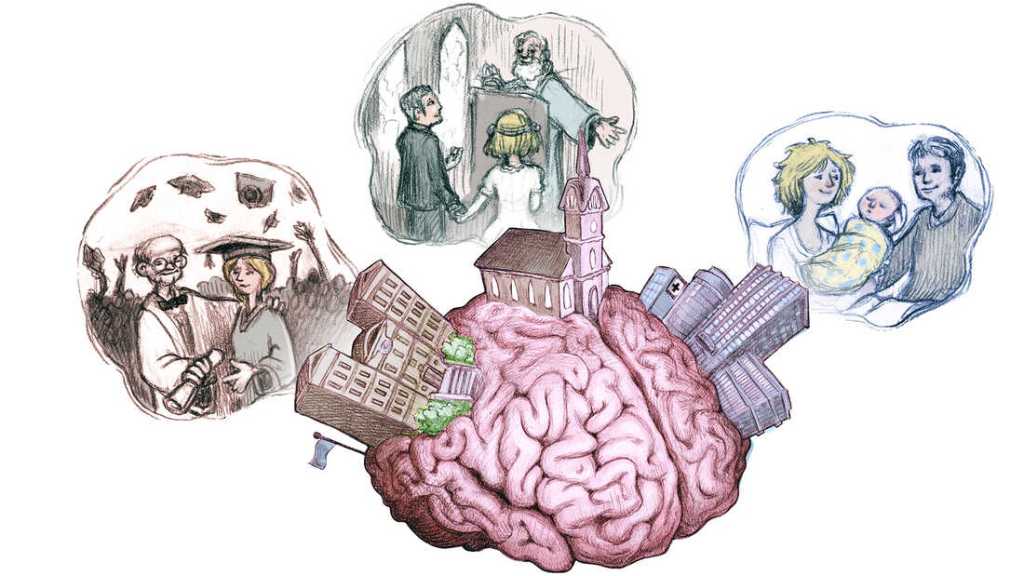
Think of your brain like a city. Neurons are the people, dendrites are the streets. For memories to form, proteins need to be made right there on the streets. No street repair, no traffic flow. No dendritic translation, no memory.
Dr. Robert Darnell and his team built a tool called TurboID that lets researchers see this process clearly for the first time. He’s called it the “holy grail” of memory research. His colleague, Dr. Ezgi Hacisuleyman, compared it to finding a map to the brain’s memory vault.
And it matters because memory research isn’t just academic. It connects directly to conditions like dementia, brain injury, and other disorders where memory breaks down. Understanding how the process works is the first step toward figuring out how to protect it.
So the next time some random song lyric or childhood smell comes back to you, that’s your dendrites doing their job. Quiet, essential, and keeping your personal archive intact.
And just to make this blog post more accessible- I created a video
Reference:
“Neuronal activity rapidly reprograms dendritic translation via eIF4G2:uORF binding” by Ezgi Hacisuleyman, Caryn R. Hale, Natalie Noble, Ji-dung Luo, John J. Fak, Misa Saito, Jin Chen, Jonathan S. Weissman and Robert B. Darnell, 8 April 2024, Nature Neuroscience. DOI: 10.1038/s41593-024-01615-5
 Caronleid