

You PeopleWow, Don Cherry really stirred it up with his “You People” comment, and then to add insult to injury, Jess Allen almost had a fit on The Social when she was speaking about it. It was like watching a live skit on hypocrisy. If you never knew what hypocrisy was and needed a re-enactment, you should definitely watch her talk about it on The Social.
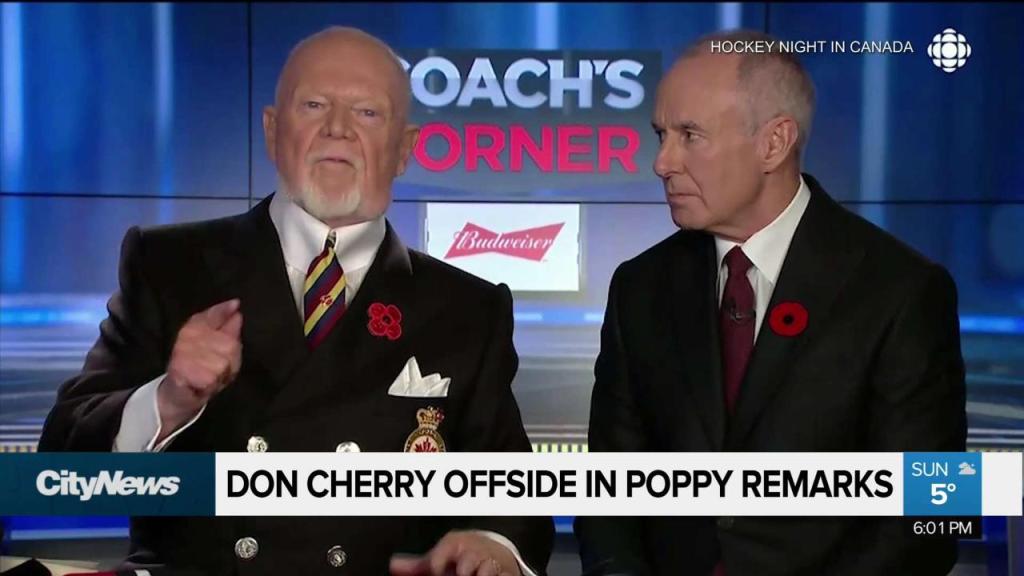
Okay, let’s get back to Don. Keep in mind, I am not a hockey fan, but I know who he is. My brother played hockey when he was young, and I am very familiar with being in an ice rink (I will save my almost figure skating career for another time).
Let’s get to the facts. I also like the verbatim quotes that have been going around.
“You people… love our way of life, love our milk and honey. At least you could pay a couple of bucks for poppies or something like that. These guys paid for your way of life that you enjoy in Canada, these guys paid the biggest price.” (Don Cherry)
How many words does it take to get fired? Forty-six! Throw in a racist epithet and voila! See ya! Of course, I have never seen people in the GTA get so wired up about this, but I understand. I have heard how much Don Cherry has done for hockey and for veterans, and I get that he is passionate. Aren’t we all? We are all passionate about something or other.
He lost me at “You People.” Now he says he should have said “People” or “Everybody.” Nope, you said what you said, and you meant what you meant. Now there are people deciphering what he meant, getting all into his psyche to determine his intentions. Sigh.
Then I hear people saying everything is offensive and you can’t say anything. No, that’s not true. You can say whatever you like, however there are consequences. Go ask Don if you don’t believe me.
Being a person of colour, I grew up knowing what you can and cannot say. I actually have to look up the derogatory names for certain races because I really don’t know them. I only know them when other people say them. When you say “you people,” you are describing anyone that doesn’t look like you, anyone not a part of your group. Plain and simple.
Do I think Don is racist? I don’t know. I don’t know him personally, so I cannot make that assumption. I just know that when you say things like that, it comes off as racist, and when you are not a member of a visible minority, it is worse.
The sad reality is that it has become so socially acceptable that people don’t even recognize what racism is. The definition of racist is: a person who shows or feels discrimination or prejudice against people of other races, or believes that a particular race is superior to another.
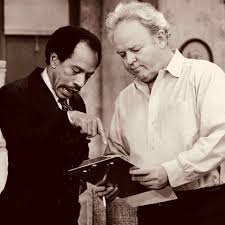
There, that’s the dictionary definition. Yes, back in the 70s it was a free for all. I even see memes about Archie Bunker, and I agree, that was then. That was when George Jefferson and Archie Bunker bantered racist comments back and forth, and some people refer to that as “the good old days.” Really? First off, it is a sitcom, so they have creative liberties that you and I don’t have. Second, it’s a comedy.
Nowadays, we say something “offside” and then say “just joking,” or the one I hate most, “lol,” and if you really want to put emphasis on it, “lmfao.”
Most truths are spoken in jest. That old saying exists because when people are joking, they sometimes say things that are true and important.
Many of us stayed silent when racial slurs or epithets were said, and I have heard them all. As I said, I really don’t think people know what being racist is. Please don’t tell me you have Black friends or that your best friend is Black. I am begging you.
Anyway, back to Don. Not only did he say “you people,” he also implied immigrants. That’s two for two. I am a visible minority AND an immigrant. I was born in England, and my family immigrated to England from Trinidad and then to Canada. I come from a family of immigrants.
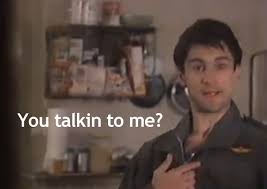
“you talking to me?”
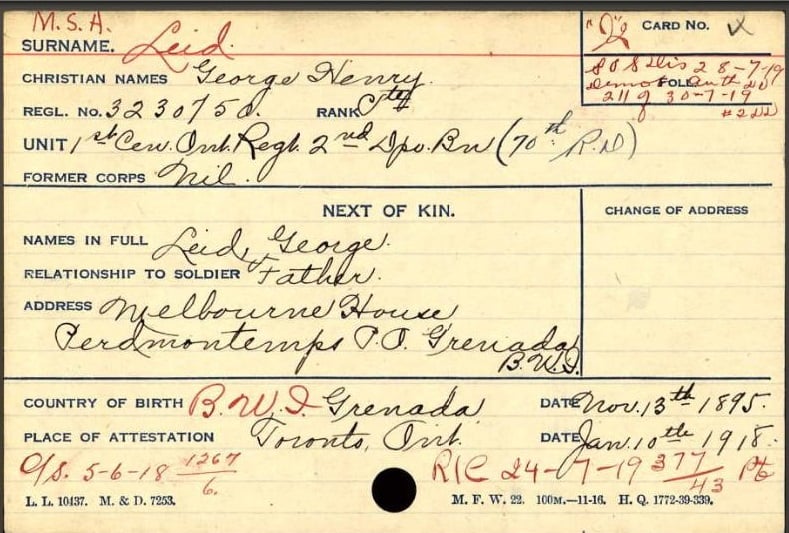
Although I do buy poppies every year, my great grandfather actually fought in WWI and my dad was in the Royal Air Force in England. So yes, I know the sacrifice of soldiers and veterans.
You know what, I like Don. He owned it. He could have kept his job and apologized, but he was like, nope, I stand by what I said. I respect that.
What I don’t like is the inconsistency. On The Social, they brought up Justin Trudeau’s three-times-a-charm blackface debacle. The response was, oh well, that was so long ago, and he wasn’t Prime Minister then, and he apologized, and he is not a journalist. Right, he’s just the Prime Minister, so nothing like Don Cherry.
“It was something that I didn’t think was racist at the time, but now I recognize it was something racist to do, and I am deeply sorry,” he said.
“I am an ally for these communities.”
“I have worked all my life to try and create opportunities for people, to fight against racism and intolerance, and I can just stand here and say I made a mistake when I was younger, and I wish I hadn’t.”
Apparently when he first apologized, he used “I” 130 times, not once centering the people he wronged.
Research shows there are key components that contribute to a meaningful apology that truly benefits those harmed. The findings state that an apology is not a one-time event, but a series of actions that demonstrate humility and correct the wrong in question. It must also include efforts to reestablish respect and dignity for those harmed, in order to address feelings of disrespect and humiliation (Jama, 2006).
What I am trying to demonstrate is this: nowadays, is it just okay to do something racist and then apologize, and poof, you are no longer racist? It’s like a get-out-of-being-racist card.
If I say something offensively racist to someone and they call me out on it, I just get to say sorry? I particularly love the “I’m sorry, that wasn’t my intent” apology. Then what was your intent?
Maybe you don’t know you’re racist. Maybe no one told you, or it’s so ingrained in your existence that you are unaware. Maybe you are a closet racist and only say things around people who are the same as you, and they don’t call you out. I was in a spin class the other day and the instructor was a person of colour. She was speaking about her son and hockey, and when she said he was “Black,” she felt the need to whisper it. Oh boy.
Anyway, I digress.
Don Cherry, it’s unfortunate that you had to get fired for what everyone does. I am so sorry.
The unfortunate thing about this entire event is that it has to do with demographics. Yes, in the past the demographics were quite different. However, this was a money move. Sportsnet is owned by Rogers Communications, and Hockey Night in Canada had been losing money. Plain and simple.
In an interview with SiriusXM radio, Cherry said most of his supporters stay silent because of fear of backlash.
“They’re afraid. I mean, look what happened to me. And they’re afraid, and that’s the way it is. And I’m not afraid, never have been afraid, and I paid for it with my job. Canada hasn’t changed, it’s just that the people that follow me keep their mouths shut.”
Yes, it is true. People who follow you do keep their mouths shut, because the demographics have changed and majority rules.
Now, remember Jess Allen? It gets better. She was, and I am not exaggerating, almost convulsing when they were speaking about Don Cherry’s comments. Her rebuttal described hockey players as “white boys” and “bullies,” and she basically told parents of hockey players that they should spend money on trips instead of hockey. Except she didn’t get fired. This is why racism will never go away and will keep being perpetuated. Because she is white and was talking about her own, it’s okay? I am rubbing my head.

Just so I don’t misquote her:
“A certain type of person in my mind, in my experience, who does” and “they all tended to be white boys who were, let’s say, not very nice.”
She also kept going. They were not generally thoughtful. They were often bullies. Their parents were able to afford to spend $5,000 a year on minor hockey. You can do other things besides spending time in an arena. They could go on a trip and learn about the world. See other things. The world is a big place. Get outside of that bubble.
Why didn’t they take a commercial break?
Nope, she kept going:
“For me, Don Cherry is the walking and talking representative of that type.”
And then for the grand finale, she acknowledged he had done some good things but called him “still a bigot and a misogynist.”
Game over.
When she was called out for her remarks, she said: “I never said every white boy, just the ones whose unsavoury behaviour, which didn’t feel very Canadian, I witnessed. Because of this, I am guilty of having conflicted feelings about hockey being so closely linked to our national identity.”
So white boys with unsavoury behaviour are not Canadian? Birth certificate revoked.
To her credit, on Wednesday’s show she stated those were her opinions based on personal experience and that she respects hockey culture. That is not what she said on the show.
The group supported her, and that was that.
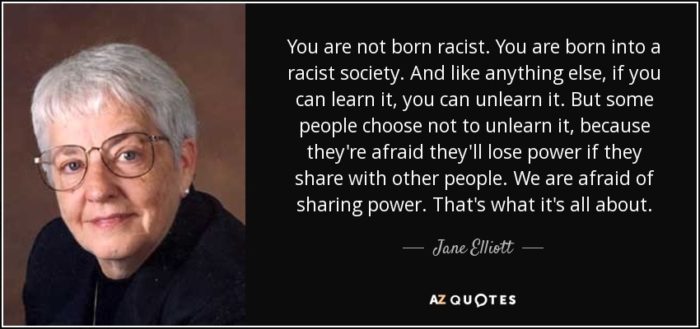
When you make racist remarks while claiming not to be racist, it is paradoxical. There are many white people who consider themselves allies of people of colour and remain completely unaware of their own racial biases.
Rebecca Hains, a professor of media, writes that if you are a white person and someone calls you racist, what matters is not your personal history of allyship. What matters is:
What you said
How it was received by those around you
How you respond to those who identified racism in your words or actions
Even if you know you are not racist, it is possible to have unconscious racial biases. Apologize, and consider asking for help understanding what went wrong. Take ownership.
My opinion: Don Cherry owned it. He said it, he stood by it, and whatever he meant, it didn’t come out the way he claims. I actually find it refreshing that he did not offer a wishy-washy apology. Jess Allen, I’m sorry, but you should also have faced consequences. You don’t fight racism with racism. It was just your opinion, sure, but it was on a televised show, talking about a group of people in a derogatory way, which is exactly what Don Cherry did.
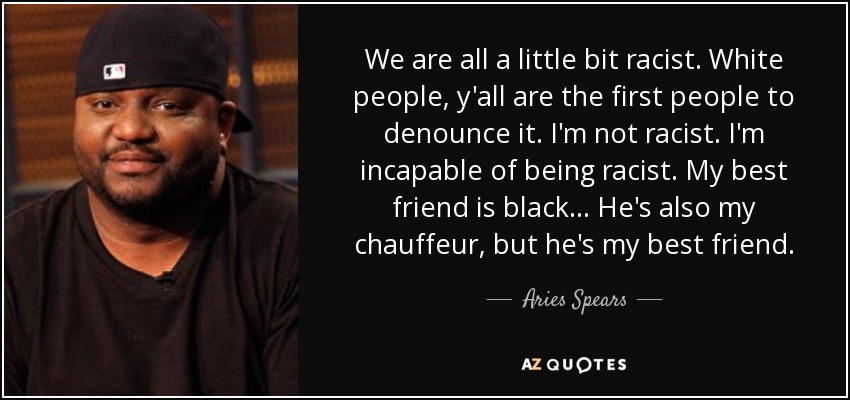
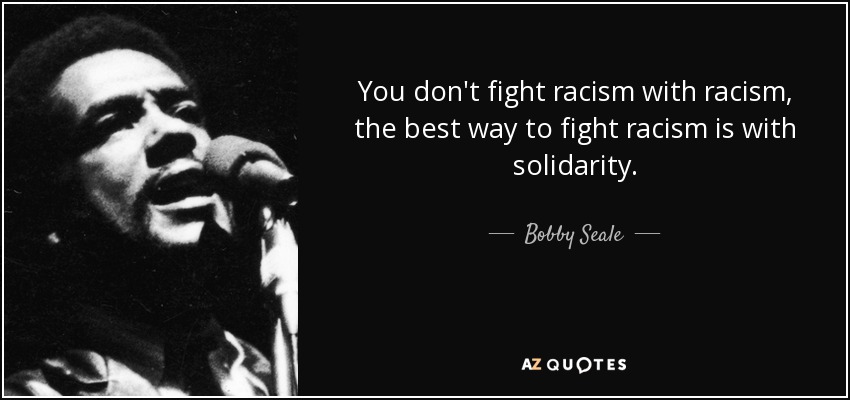

We are in the age, that yes, we have freedom of speech, but there are always consequences for it when it offends or hurts people.

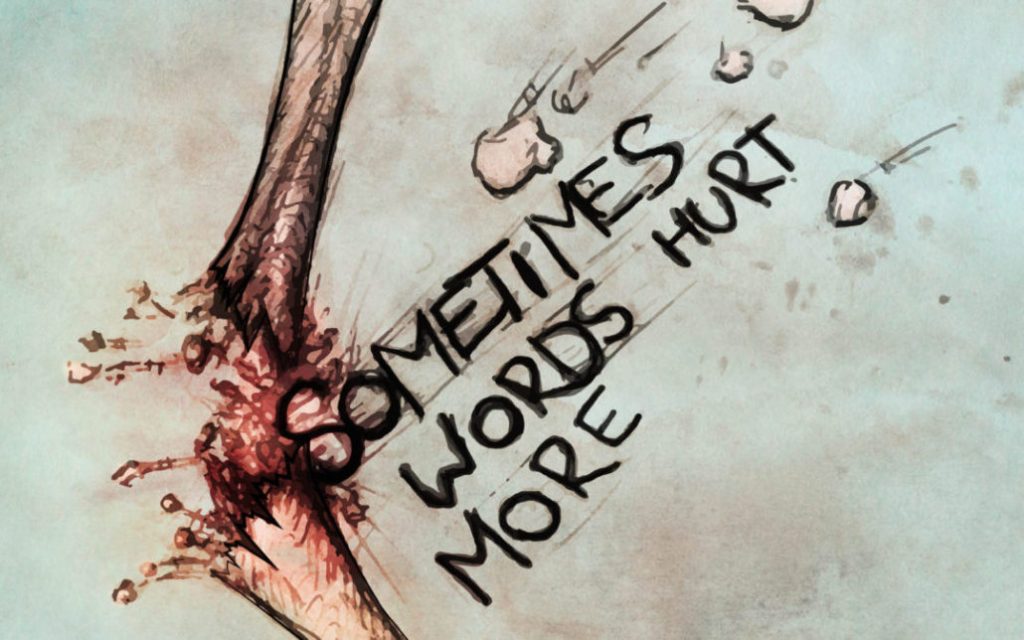
When I was a child and other children said racist things to me, we were taught to say: sticks and stones may break my bones, but names can never hurt me.
Actually, bones heal. Words don’t. I remember every single one of them.
Times are changing, thankfully. We still have a long way to go.
References
Hanies, 2019, Dear fellow white people: here’s what to do when you’re called racist. The Washington Post; https://www.washingtonpost.com/outlook/dear-fellow-white-people-heres-what-to-do-when-youre-called-racist/2019/08/20/6e31941a-beda-11e9-b873-63ace636af08_story.html
JAMA. 2006;296(11):1401-1404. doi:10.1001/jama.296.11.1401


Excellent goods from you, man. I’ve keep in mind your stuff prior to
and you are simply too wonderful. I really like what you’ve received right here,
really like what you’re saying and the best way by which you assert it.
You make it entertaining and you continue to take care of to stay it sensible.
I can’t wait to learn far more from you. That is really a
great site.
LikeLike