
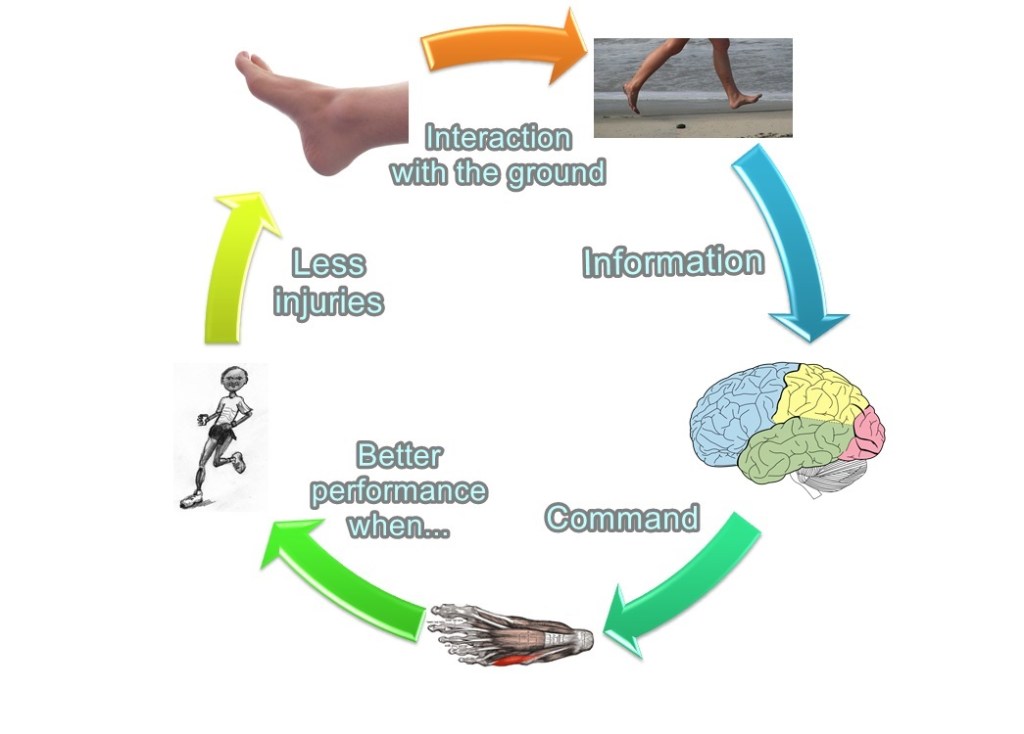
Caring for someone with dementia can feel like trying to find your way through a maze that keeps shifting. One of the changes that often gets overlooked is something called proprioception, which is the body’s internal GPS. When dementia affects this system, it can quietly disrupt balance, movement, and coordination.
Proprioception is how your body knows where it is in space. It’s what helps you walk without staring at your feet, reach for a cup without knocking it over, and stand upright without thinking about it. It’s an instinctive awareness that most of us take for granted. When dementia begins to interfere with that awareness, it can make even simple actions confusing or unsafe.
Dementia doesn’t only affect memory. It changes how the brain reads and interprets physical signals. When those communication lines start to break down, the person may lose their sense of where their body is or how it moves. Imagine walking with a broken compass. You still have direction, but it’s harder to trust it.
You might start to notice small things at first. A walk that looks a little unsteady. Reaching for objects and missing. Trouble dressing or judging space when moving around furniture. These are subtle signs that the brain and body aren’t in sync the way they used to be.
When proprioception is disrupted, everyday life can feel less predictable. There’s often a higher risk of falls and a growing sense of disorientation. But there are ways to adapt. Gentle exercise, physiotherapy, and routines that focus on repetition can help reinforce movement patterns. Occupational therapy can also offer practical strategies that make tasks safer and more manageable.
The environment matters too. Keep walkways clear, improve lighting, and install grab bars where needed. Predictability helps. A familiar layout, consistent routines, and simple visual reminders can reduce anxiety and help maintain independence.
Understanding how dementia affects proprioception isn’t just about safety. It’s about compassion. When we understand that these changes come from the brain, not from stubbornness or carelessness, we approach caregiving differently. We slow down. We guide instead of correct. We create a steadier world for someone whose inner world is starting to shift.

